Development and Transition Pathway

Development and Transition Pathway

Each learning stage at VNC is designed as a purposeful progression — meeting the developmental needs of each age group while gradually building students’ learning, adaptive, and independent living capacities.
Group 138

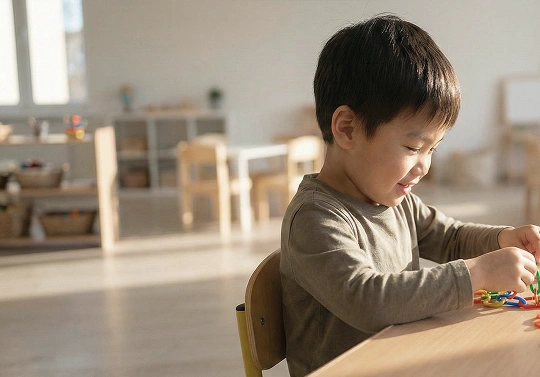
Preschool (2–5 years old)

Building a strong foundation

  • Establish routines and readiness for learning
  • Stimulate early communication and cognitive development
  • Develop foundational skills for learning and interaction
Preschool (2–5 years old)
Group 140

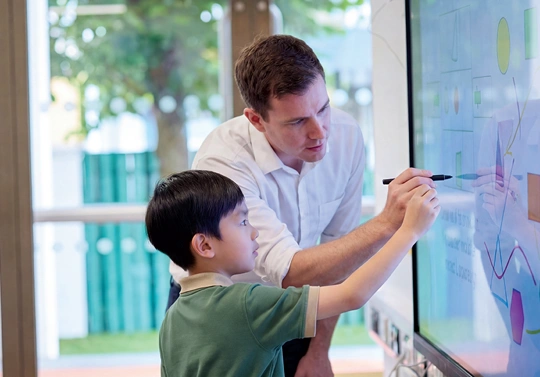
Primary School (6–10 years old)

The first steps toward independence

  • Develop academic knowledge based on foundational skills
  • Apply knowledge in familiar situations
  • Develop self-care skills and initial emotional-behavior regulation
Primary School (6–10 years old)
Group 142

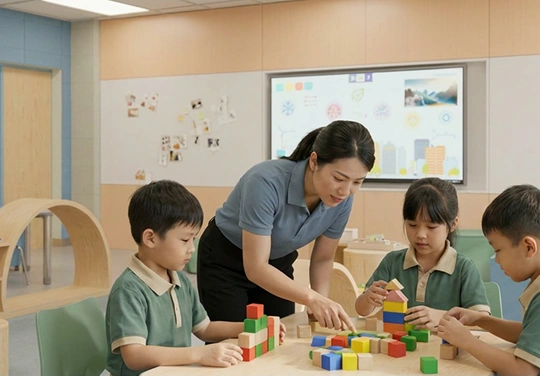
Lower Secondary School (11–14 years old)

Expanding adaptive capacity

  • Strengthen communication, cooperative learning, and social interaction
  • Explore interests, strengths, and future career directions
  • Practice personal responsibility and independent living in daily activities
Lower Secondary School (11–14 years old)
Group 144

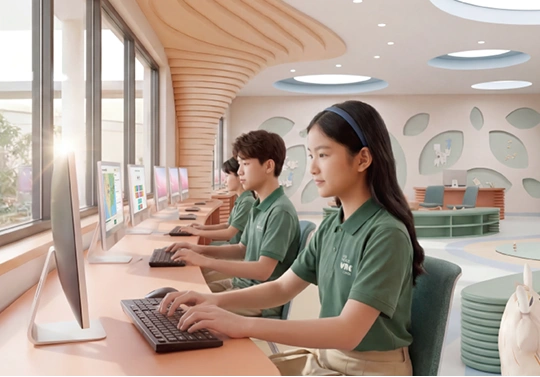
Upper Secondary School (15–17/18 years old)

Progressing toward independence and integration

  • Focus on transition to adulthood
  • Combine academics, career guidance, and life skills
  • Develop self-management, participation, and independent living skills
Upper Secondary School (15–17/18 years old)
Group 166

After 18


  • University Pathway: For students with strong academic potential, equivalent to **RQF Level 3**.
  • Supported Employment: For students with strong practical and functional skills, equivalent to **Entry Level 3**.
  • Social Enterprise Model: A pathway where students contribute real value through vocational skills certified according to RQF standards.